

Help! My Cat Hates Their Collar – What Should I Do?

Why does my cat hate their collar?
So you've picked out a beautiful new collar for your cat and… they're not impressed. Maybe they're scratching at it, freezing on the spot, or doing everything they can to pull it off. Don't worry. This is really common, and it absolutely doesn't mean your cat will never wear a collar.
Most cats who seem to dislike collars are actually reacting to something specific: the collar itself, the way it fits, or simply the fact that it's new. Once you identify what's bothering them, it's usually a quick fix. With the right collar and a little patience, almost every cat can become a happy, comfortable collar-wearer.
Let's walk through the most common reasons cats resist collars, and the simple steps you can take to turn things around.
Quick navigation
- Reason 1: The wrong collar
- Reason 2: An incorrect fit
- Reason 3: Accessories added too soon
- How to get a cat used to wearing a collar
Do cats like collars?
This is one of the most common questions we hear, and the honest answer is: most cats take to collars really well, once the right conditions are in place. It's completely natural for a cat to be a little wary of something new around their neck at first. But cats are incredibly adaptable, and with the right collar and a gentle introduction, the vast majority will adjust quickly and forget it's even there.
It really comes down to three things: the collar itself (its weight, material, and design), how well it fits, and how it's introduced. Get those three things right and you're almost certainly going to have a happy collar-wearer on your hands.
Three reasons your cat doesn't like their collar
Reason 1: The wrong collar
If your cat hates their collar, the collar itself is the first thing to look at. Not all collars are created equal, and sometimes a simple swap is all it takes to make a big difference.
First and foremost, make sure you're using a collar that is specifically designed for cats, with a breakaway safety buckle. This is non-negotiable for your cat's safety.
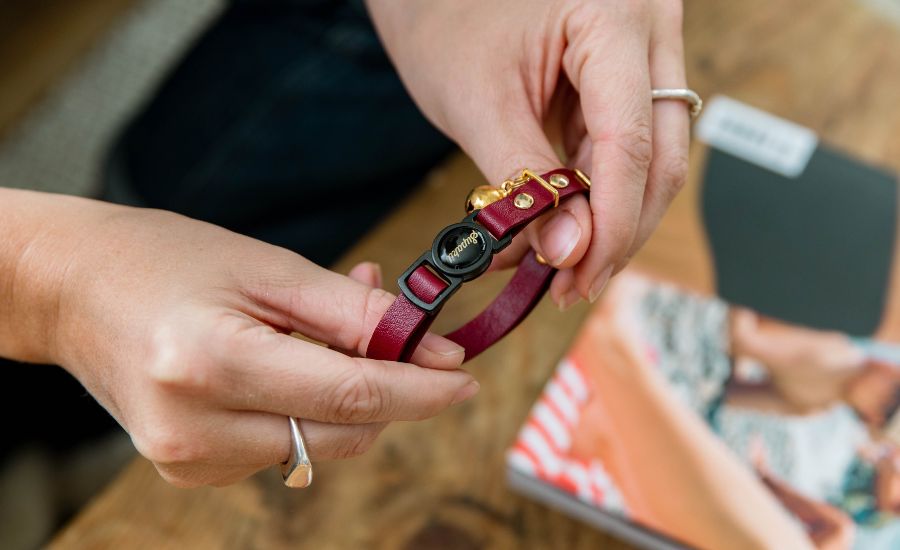
Beyond that, two of the most common collar problems are weight and texture. Both are easy to solve.
Too heavy or bulky
A collar that feels cumbersome, either because of its own weight or because it's loaded with accessories like ID tags, charms, and bells, can make a cat feel unsettled. Cats are sensitive to what they carry on their body, and even small differences in weight matter more than you'd think.
The best collar for a cat who hates collars is one that's ultra-lightweight and slim in profile. Supakit collars are designed to be so feather-light that most cats forget they're wearing one at all.
Itchy or scratchy
If a collar's inner edge is rough, synthetic, or fraying, it will rub against your cat's fur and skin. This is one of the most common reasons a cat scratches at their collar or tries to remove it. The good news? Switching to a better-made collar often solves this straight away.
Look for a collar made from soft, natural materials with a smooth inner lining. Supakit collars are crafted from premium leather or vegan cork, with the same high-quality material on the inside as the outside. This creates a low-friction surface that sits gently against your cat's fur.


Reason 2: An incorrect fit
Collar fit plays a huge role in whether your cat accepts or rejects their collar, and the great news is that it's one of the easiest things to fix.
There are two sides to this. A collar that's too tight will obviously be uncomfortable. But a collar that's too loose is actually the more common culprit. This is something we see all the time here at Supakit.
A loose collar shifts and dangles as your cat moves, rubbing against their fur and creating an unfamiliar, irritating sensation. Think of it like wearing a bracelet several sizes too big. It catches, slides, and generally gets in the way. The same principle applies to your cat's collar.

The fix is simple. Follow your collar manufacturer's fitting recommendations and check the fit regularly. Supakit collars are designed to sit comfortably close to the neck, with just one fingertip of space between the collar and your cat's skin. This snug fit is not only more comfortable, it also prevents your cat from hooking a paw or jaw underneath the collar to pop it off.
For a step-by-step guide to getting the fit just right, see our collar fitting guide.
Reason 3: Accessories added too soon
One of the main reasons to put a collar on your cat is so they can carry important accessories like a visible ID tag or an AirTag tracker. But each new accessory introduces unfamiliar sounds and sensations, and adding them all at once can be a lot for a cat who's still getting used to the collar itself.
The best approach is to let your cat settle into wearing the plain collar first, then introduce accessories one at a time. This gives them the chance to adjust gradually, and most cats handle it really well when things are taken at their pace.
Our collar training and fitting guide walks you through this process step by step, so you can introduce each accessory with confidence.
How to get a cat used to wearing a collar
Once you've addressed any issues with the collar, the fit, and the accessories, it's time for the fun part: helping your cat build a positive association with wearing their collar. This is simpler than you might think, and most cats come around faster than their owners expect.

Before you begin, make sure you have two things ready.
Find the right reward
Choose a reward that your cat genuinely loves. Not the everyday treat they're used to, but something a bit more special. The kind of treat normally reserved for birthdays or vet visits. If your cat isn't particularly food-driven, that may just mean the treat isn't exciting enough. Verbal praise or a much-loved toy can work just as well.
Learn to read the signals
Understanding your cat's body language makes a real difference during training. Being able to tell whether your cat is relaxed, a little uncertain, or genuinely stressed lets you adjust your pace and keep the whole experience positive.
We've created a free printable Traffic Light guide that shows you exactly what to look for. Download it here and keep it handy during your training sessions.
The reintroduction process
With your reward and an understanding of your cat's body language, you're ready to reintroduce the collar. Our collar training video on YouTube walks you through the full process, but here are the essentials:
- Keep each session short. A few minutes is plenty, and always try to end on a positive note.
- Reward your cat generously at every stage, from simply being near the collar, to wearing it for a few seconds, to wearing it for longer stretches.
- Watch their body language closely. If they seem uncomfortable, take a step back and try again later. There's no rush.
- Build duration gradually. Most cats who won't wear a collar simply need a little more time to adjust, not a different approach entirely.
With consistency and patience, the vast majority of cats settle into wearing a collar comfortably. Many of our Supakit community members have collar-trained even the most reluctant cats using this approach, and we love hearing their success stories.
Choosing the best collar for a cat who hates collars
If your cat has had a negative experience with collars in the past, choosing the right collar for their fresh start makes all the difference. The ideal collar for a reluctant cat is one that's lightweight, made from soft natural materials, and designed with a breakaway buckle for safety.
For more guidance on finding the right fit, take a look at our guide to the best cat collars, or browse the full Supakit collar collection.


